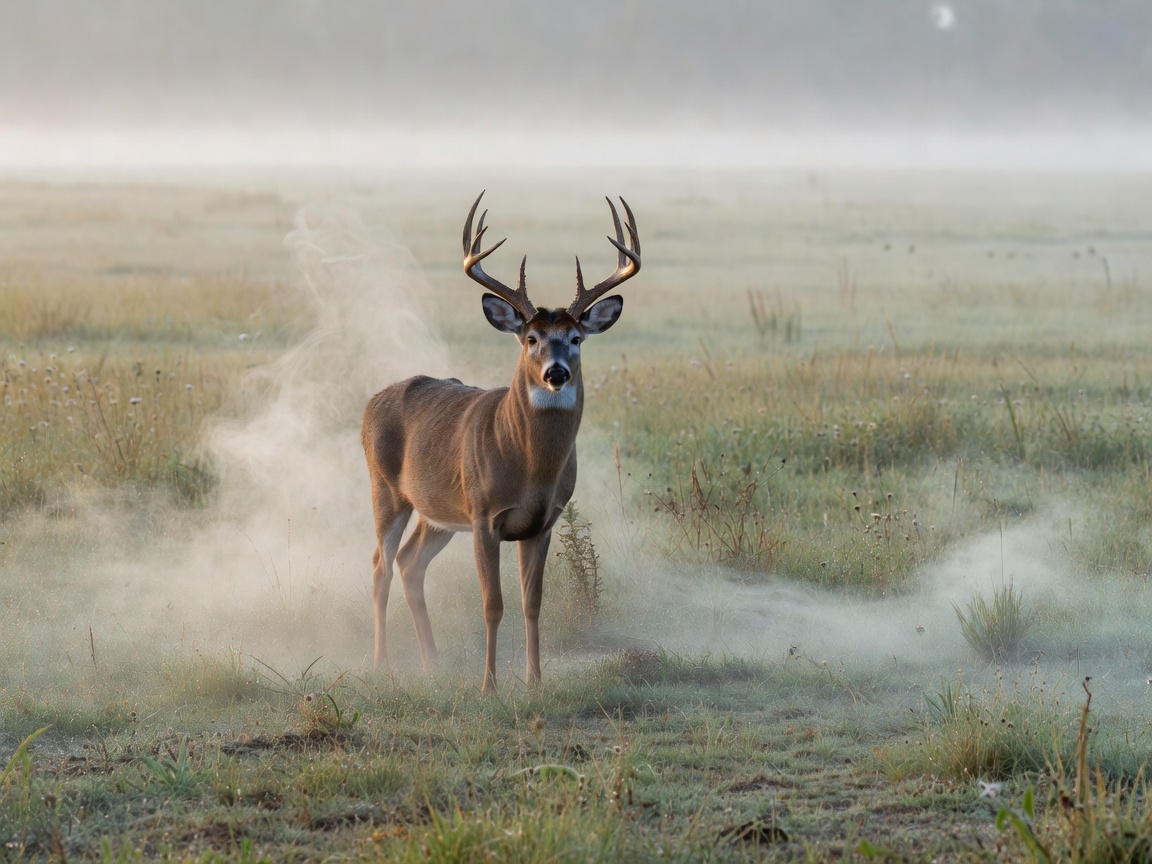
The whitetail deer is an incredibly adaptive survivor, possessing acute senses of smell, hearing, and sight. Successfully harvesting a mature whitetail consistently year after year is rarely a matter of luck. It demands deep understanding of deer biology, habitat utilization, and strict discipline regarding human scent and presence. The strategies employed vary dramatically depending on the time of year.
Early Season: Bed to Food Patterns
During the early season (late summer to early autumn), whitetails operate on a predictable daily routine. They bed in heavy, secure cover during the heat of the day and move toward primary food sources—such as agricultural fields, acorn flats, or food plots—in the late afternoon.
The objective during this phase is observation and low-impact setups. Utilize trail cameras and distant glassing to pattern their movements. Set your tree stands or ground blinds along transition zones—the staging areas where deer gather just inside the timber before stepping out into open feeding areas at dusk. Pushing too deep into bedding areas early in the year will alert the herd and cause mature bucks to go nocturnal.
The Pre-Rut and Scrape Hunting
As temperatures drop and daylight hours decrease, testosterone levels in bucks begin to rise. The pre-rut is characterized by the sudden appearance of rubs (trees thrashed by antlers) and scrapes (pawed earth beneath overhanging branches). These serve as a complex communication network.
Hunting over active scrape lines in travel corridors can be highly effective during this phase. Bucks will cruise these areas to check the status of does and mark their territory. Calling techniques, such as light rattling and grunt tubes, can agitate curious bucks into closing the distance, as they look to defend their territory from rivals.
The Rut: Chaos in the Woods
The rut is the peak breeding phase, and it drastically alters deer behavior. Mature bucks abandon their cautious routines and spend daylight hours actively chasing does. This is widely considered the best time to see a giant buck on his feet, but their movements are highly unpredictable.
During the rut, shift your focus to doe bedding areas and the pinch points or funnels connecting them. Topographical features like saddles, ridge crossings, and the inner corners of agricultural fields force deer movement into tight spaces. Pack a lunch and sit all day if possible—midday movement spikes dramatically during the rut as bucks frantically search for receptive does.
Late Season: Food is Survival
Once the rut concludes and winter sets in, survival becomes the sole priority. Deer are depleted of energy and rely heavily on high-carbohydrate food sources to endure freezing temperatures. Cold fronts trigger intense feeding behavior.
Identify late-season food sources like standing corn, soybeans, or specific browse. Deer will often bed very close to food to conserve energy, making stealthy access to your stand difficult. Afternoon hunts are generally preferred in the late season, as morning entries risk bumping deer in the dark.
Wind Control: The Unbreakable Rule
Regardless of the season, a whitetail's nose is its greatest defense. You cannot fool it entirely with sprays or scent-control clothing. The only foolproof method for beating a deer's nose is absolute strictness with wind direction.
Always hunt downwind or crosswind of where you expect deer to approach. Use milkweed or powder wind indicators constantly, as terrain features can cause wind to swirl unpredictably. If the wind is wrong for a specific stand location, do not force the hunt. Sitting a stand with a bad wind educates deer to your presence and can ruin that location for the remainder of the season.